Tradition

From folklore to stories and relics of the Saints

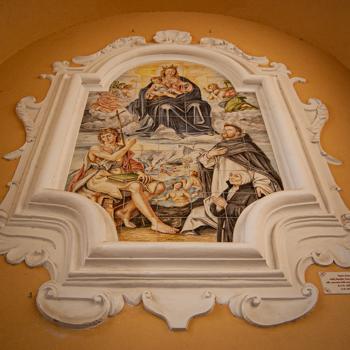
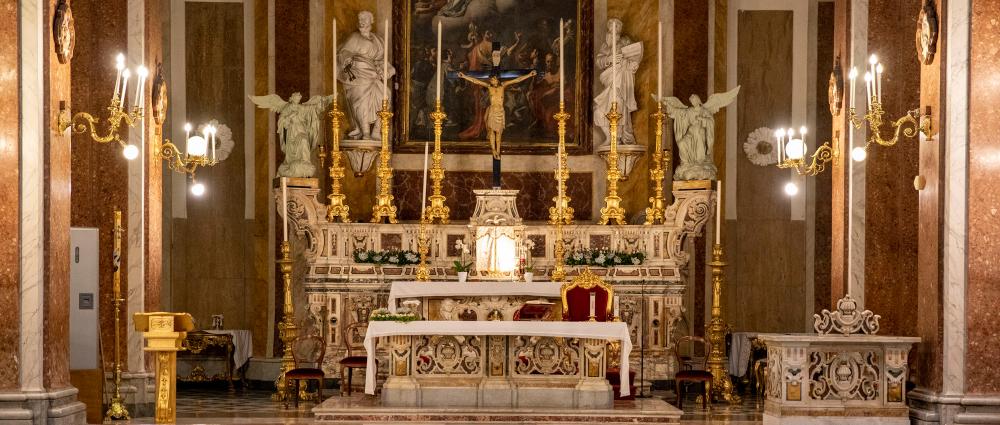
The territories of the northern area are part of the 'casali' of Naples, the rural centres that have been supplying the city with high quality agricultural products and raw materials since Roman times. Born in a land of myths and legends, the modern centres share, in addition to their historical origins, a rich and complex culture, in which history is intertwined with shared legends, miraculous events and a common religious feeling. In Acerra, home of Punchinello, a visit to the Museum of Punchinello, folklore and peasant civilisation is an opportunity to learn about peasant traditions and daily life, steeped in religion and mystery. Miraculous events mark the birth of places of worship: in Caivano, the Madonna of the sanctuary of the Madonna di Campiglione is the saviour of an innocent condemned man; religious festivals celebrate the relics of patron saints preserved in sumptuous churches, as in Sant'Antimo in the church dedicated to the saint; legendary tales in Casandrino for the story of the church of Maria Assunta or in Grumo Nevano in the mythical story of wars, betrayals and ghosts linked to the Palace of the King of Grumo or again in Arzano in the narratives of the lives of the patron saints, Sant'Arpino and Santa Giustina, venerated in the Church of Sant'Agrippino.

Number of stages
4
Overall length
22.4 KM
Average journey time
5 Hours 30 Minutes
Recommended mean of transport
Auto/Moto

Itinerary map


Route filters

Itinerary stages

Step number 1
1
Villa San Marco

Not on your itinerary

Villa San Marco

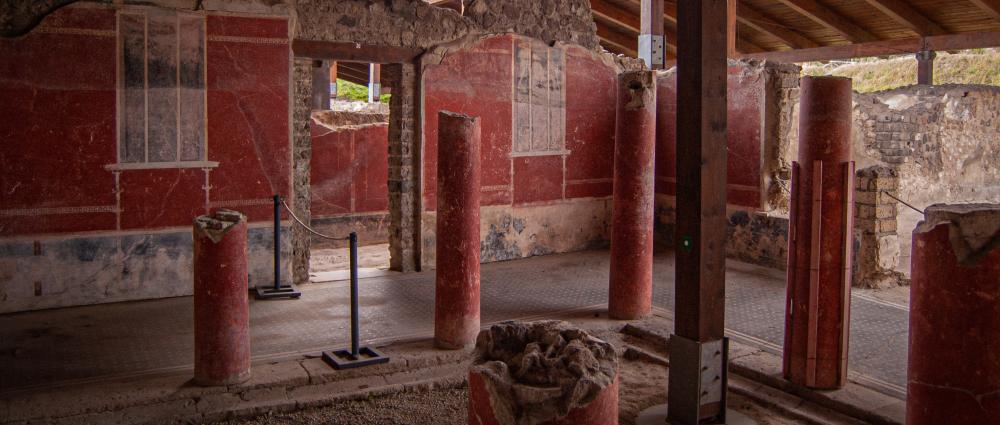
Archaeological excavations on Varano hill, the area where the Roman Stabiae (Castellammare di Stabia) stood, began in the 18th century at the behest of the Bourbon kings. In contrast to Herculaneum...
Accessibility for disabled persons
Show More
Step number 2
2
Villa Arianna

Not on your itinerary

Villa Arianna

About 2,500 square metres of the villa (explored by Bourbon tunnels between 1757 and 1762) have been excavated, only part of the total area. It is the oldest villa on the coast, built through succe...
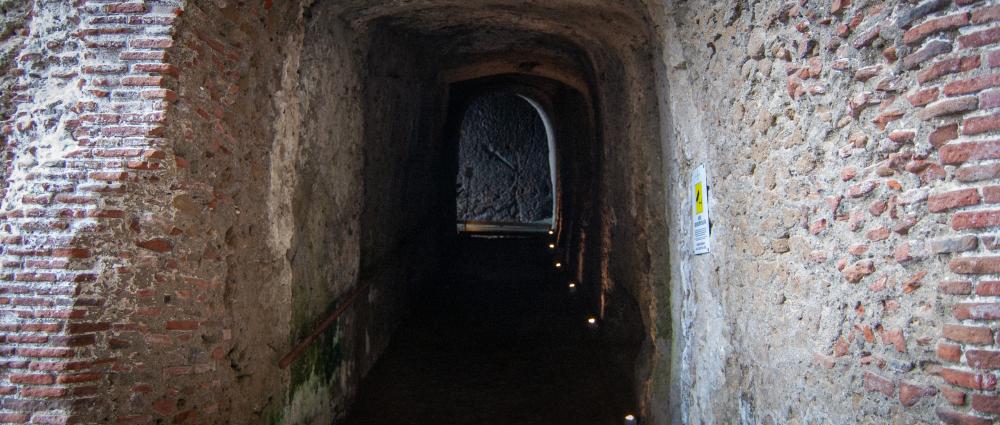
Not accessibility for disabled persons
Show More
Step number 3
3
Villa of Agrippa Postumo

Not on your itinerary

Villa of Agrippa Postumo

The entire coastline of Sorrento in Roman times is occupied by the imposing villa (1st century BC) built into the tuffaceous rock overlooking the sea. The foundations of the maritime constructions,...
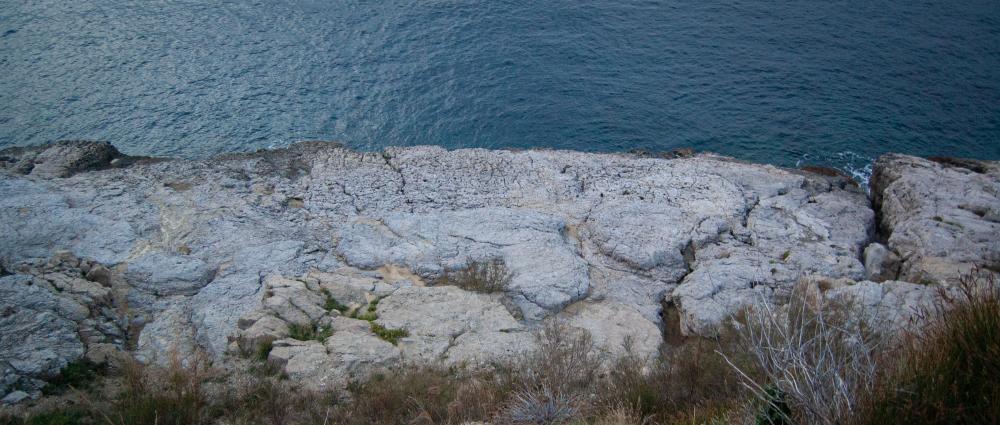
Not accessibility for disabled persons
Show More
Step number 4
4
Villa di Villazzano

Not on your itinerary

Villa di Villazzano

The Roman villa, attributed to the Augustan period, occupies almost the entire area of the Capo Massa promontory. A splendid and luxurious villa, the home of a wealthy landowner, it consists of a d...
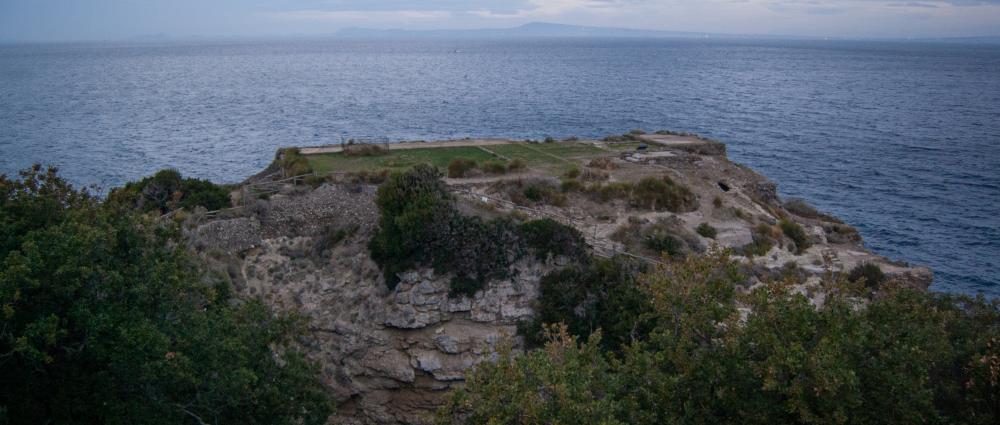
Not accessibility for disabled persons
Show More
Step number 5
5
Pollio Felice’s villa

Not on your itinerary

Pollio Felice’s villa

At Capo di Sorrento, a panoramic point on the Sorrento cliffs, imposing ruins indicate the presence of the villa, which stretched over an area estimated at about 30,000 square metres. Like other vi...
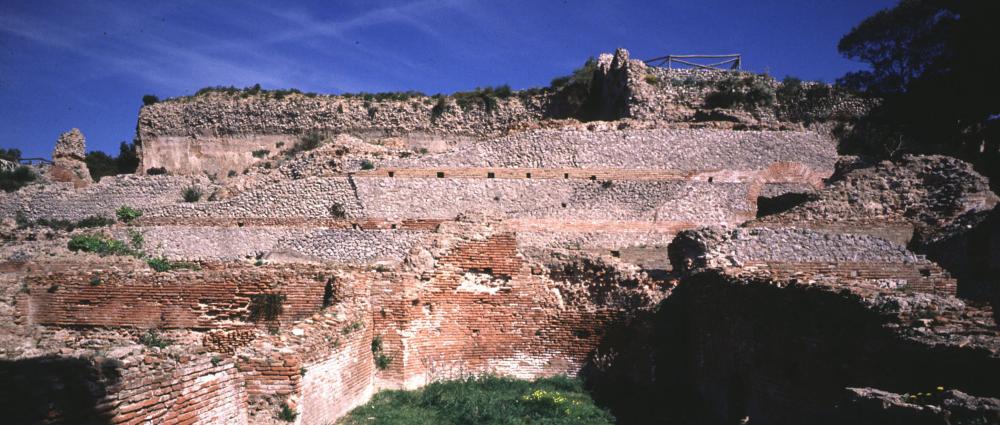
Not accessibility for disabled persons
Show More
Step number 6
6
Villa Jovis

Not on your itinerary

Villa Jovis

In the last period of his reign (27.37 A.D.), the Emperor Tiberius chose Capri as his permanent residence and ordered the construction of twelve villas on the island, each consecrated to an Olympia...

Accessibility for disabled persons
Show More
Did you like the itinerary?
Leave a comment

No Comments Available

Other points of interest nearby

Museum of wooden marquetry
Sorrento Museum, non-profit and/or collection gallery
Mario Maresca Naval Museum
Meta Museum, non-profit and/or collection gallery
Villa Fiorentino
Sorrento Villa or palace of historical or artistic interest
Santa Maria delle Grazie
Sorrento Church or religious building
Square and church of Santa Croce
Massa Lubrense Street