Tradition

From the cult of Isis to the devotion of Saints and Martyrs

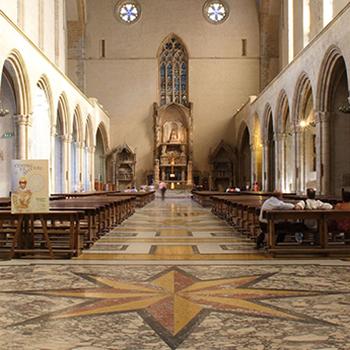
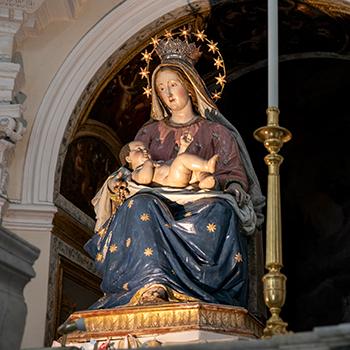
Symbolic sites in the Phlegraean Fields reconstruct the red thread that tells of the passage from the cults of the ancient world to the devotion to the heroic protagonists of early Christianity. The Solfatara in Pozzuoli is the scene of the martyrdom of one of the best-known patrons of the Phlegraean lands: Gennaro, patron saint of Naples. The Sanctuary of San Gennaro alla Solfatara is dedicated to him, guardian of the stone on which the saint was decapitated. Along with other companions, Proculus shared his fate, to whom the Cathedral of St Proculus in Pozzuoli is consecrated, recognising him as patron saint, on the acropolis of Roman Puteoli: the Christian structures reused and concealed the splendid ancient temple, rediscovered in 1964. The Flavian Amphitheatre recalls the story of the torture that finds its epilogue in the Solfatara: destined to be mauled, the martyrs are led into the arena but the beasts refuse to attack them. In the Temple of Serapis (actually the Roman marketplace) we find the presence of a Mediterranean divinity worshipped by merchants from Alexandria, while the feast of Our Lady of the Assumption combines the sacred and the profane. Cultural influences and religious suggestions 'travelled' together with goods and merchants, and the Temple of Isis at Cumae is one of the important testimonies to the spread of cults from Egypt, which were opposed by the Christian faith and destined to be forgotten. Veneration of the gods and their temples is overlaid by deference to the saints and the buildings named after them, such as the church of San Sossio in Miseno, martyred at the Solfatara and patron saint of Miseno and Frattamaggiore, the church of Santa Maria Libera nos a Scandalis in Quarto, whose origins are steeped in legends and references to ancient divinities, or the sanctuary of Maria Santissima Annunziata in Giugliano in Campania with its spectacular festival dedicated to the mysterious Madonna della Pace.

Number of stages
6
Overall length
38.3 KM
Average journey time
5 Hours 30 Minutes
Recommended mean of transport
Auto/Moto

Itinerary map


Route filters

Itinerary stages

Step number 1
1
Luzzatti Ward

Not on your itinerary

Luzzatti Ward

It bears the name of Luigi Luzzatti, the promoter of the Istituto Case Popolari, who built the district in the eastern part of the city (1922-1930) - in Gianturco, not far from the railway line tun...
Accessibility for disabled persons
Show More
Step number 2
2
Corso Umberto I

Not on your itinerary

Corso Umberto I

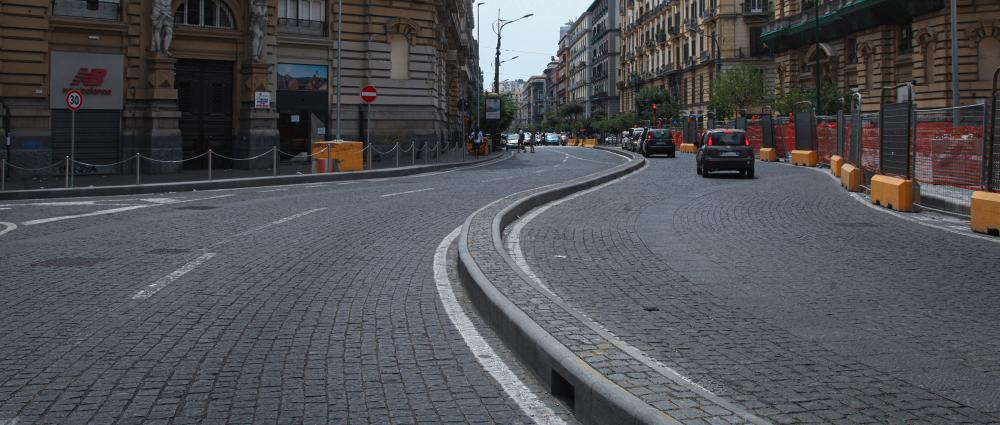
From the 'redevelopment' project launched in 1884, the modern street was born after the demolition of alleys and ancient foundations. The Rettifilo, as it is referred to in the urban plan and as it...
Accessibility for disabled persons
Show More
Step number 3
3
Port’Alba

Not on your itinerary

Port’Alba

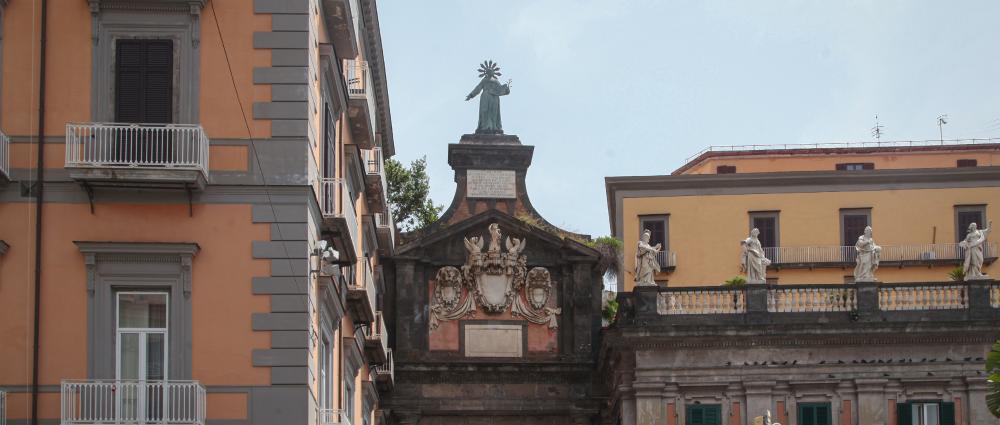
In the 17th century, the city expanded 'outside the walls'. The need for rapid connections between the urban area and the villages that had sprung up behind the wall led to numerous pertugiums (una...
Accessibility for disabled persons
Show More
Step number 4
4
Umberto I Gallery

Not on your itinerary

Umberto I Gallery

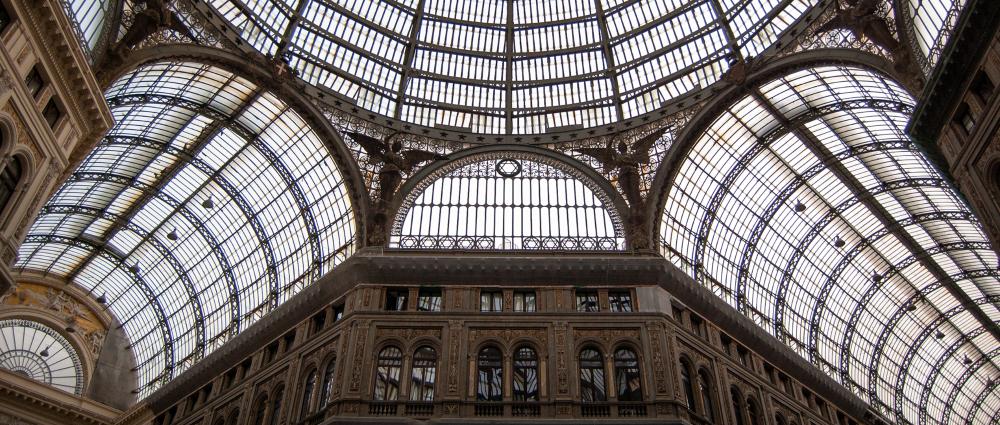
An architectural masterpiece for the 'rehabilitation' of the city. Designed and built between 1887 and 1890, the year of its inauguration, it replaces the tangle of unhealthy and ill-famed alleys t...

Accessibility for disabled persons
Show More
Step number 5
5
Piazza dei Martiri

Not on your itinerary

Piazza dei Martiri

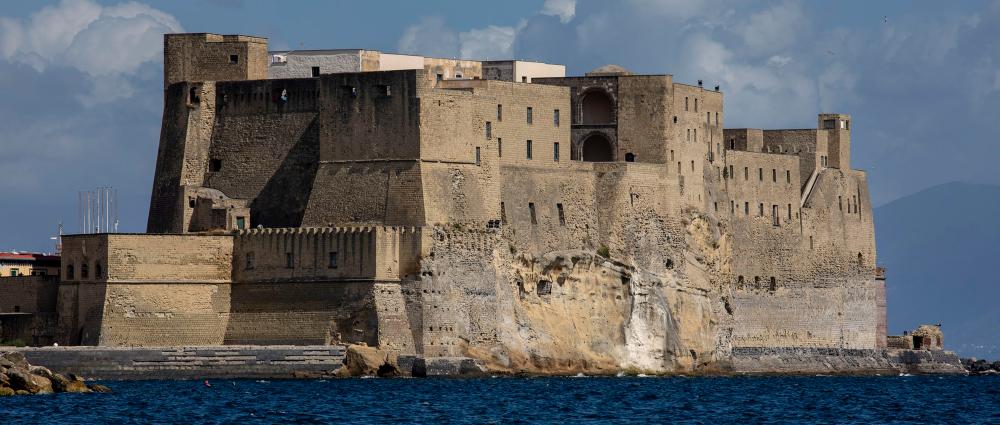
Between the waterfront, busy streets, historic buildings and designer shopping, it is the city's elegant living room. The large, luminous triangular-shaped square is enclosed by three monumental bu...
Accessibility for disabled persons
Show More
Step number 6
6
Lungomare Caracciolo

Not on your itinerary

Lungomare Caracciolo

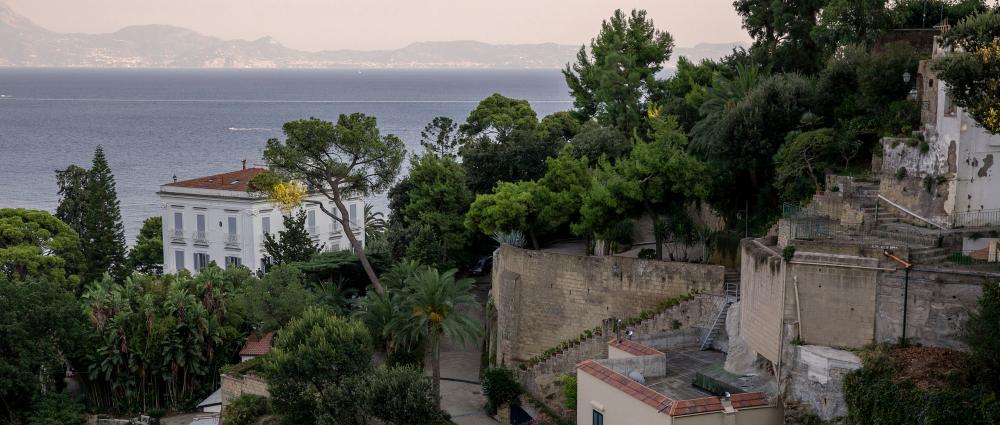
A heated debate, from the end of the 19th century to the beginning of the 20th century, accompanied the works for the development of the area along the sea. In particular, the discussions concerned...
Accessibility for disabled persons
Show More
Step number 7
7
Posillipo

Not on your itinerary

Posillipo

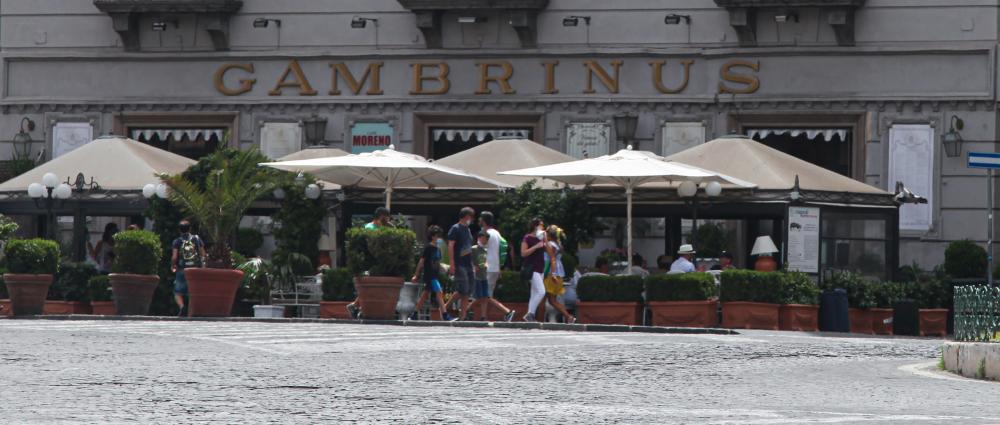
Favoured by the ancient Romans, it was only between the 16th and 17th centuries that Posillipo, the hill "where troubles cease", became part of the city's fabric, with the construction of the first...
Accessibility for disabled persons
Show More
Step number 8
8
Caffè Gambrinus

Not on your itinerary

Caffè Gambrinus

In a 'strategic' location, between Piazza Trieste e Trento (San Ferdinando), Via Toledo and Piazza del Plebiscito, since 1890 it has been the city's meeting place for chatting about art, news, film...

Accessibility for disabled persons
Show More
Did you like the itinerary?
Leave a comment

No Comments Available

Other points of interest nearby

Achille 2015
Napoli Street
Chapel of the Treasure of St Gennaro
Napoli Church or religious building
Catacombs of San Gennaro
Napoli Archaeological park
Church of Santa Chiara
Napoli Church or religious building
Chiesa di Santa Maria del Parto
Napoli Church or religious building
Fontanelle Cemetery
Napoli Monument
Convento di Santa Maria di Piedigrotta
Napoli Church or religious building
Crypta Neapolitana
Napoli Archaeological park